Restorative Dentistry · Sacramento, CA
Root Canal Treatment in Sacramento, CA
A root canal isn't something to fear — it's the treatment that ends the pain. When decay or injury infects the inside of a tooth, root canal therapy removes the infection and saves the natural tooth.
With modern anesthesia and techniques, most patients say the procedure feels no different than getting a filling.
What Is a Root Canal?
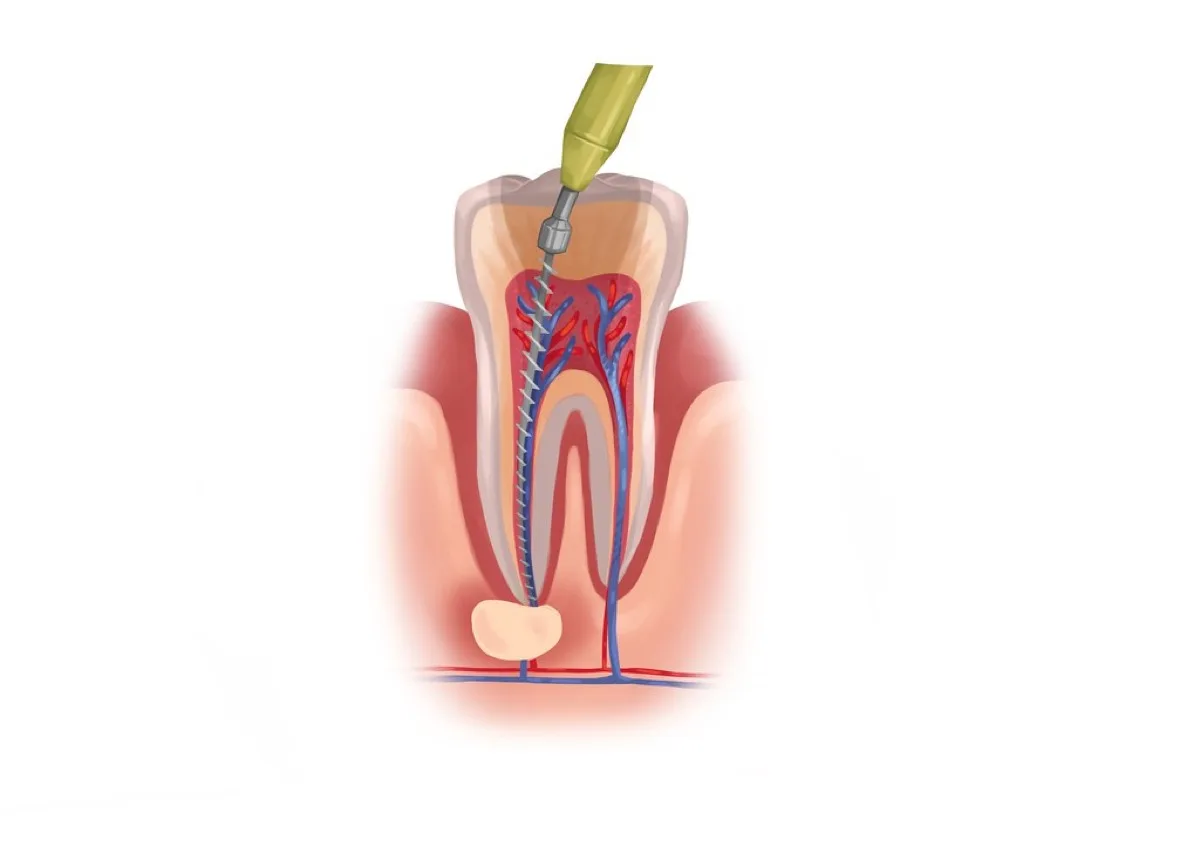
A root canal — formally called endodontic therapy — is the treatment that saves a tooth when the soft tissue inside it (the pulp) becomes infected or inflamed. The infected tissue is removed, the inner canals are cleaned and disinfected, and the tooth is sealed so bacteria can't return. The tooth itself stays right where it belongs.
Here's the truth that surprises most patients: a root canal doesn't cause the pain people associate with it — it ends it. The severe toothache comes from the infection; the treatment removes that infection. With modern anesthesia and techniques, most patients tell us the visit felt no different than getting a filling.
At Fulton Family Dental, Dr. Bhumika Kathiriya, DDS uses cone beam 3D imaging and low-radiation digital X-rays to see the full anatomy of the tooth's roots before treatment begins, and offers sedation options for patients who feel anxious. Saving your natural tooth is almost always better — and less expensive — than removing and replacing it.
Signs You May Need a Root Canal
Only an exam can confirm it, but these symptoms often point to an infected or dying tooth nerve:
- A severe, throbbing toothache, especially one that wakes you at night
- Sensitivity to hot or cold that lingers long after the temperature is gone
- Pain when biting down or chewing on one specific tooth
- A pimple-like bump or recurring swelling on the gums near a tooth
- A tooth that has darkened or turned gray compared to its neighbors
- A deep crack or break that has reached the nerve
- Deep decay under an old filling or crown
Why Sacramento Families Trust Us With Root Canals
Comfort-First Approach
Thorough, patient numbing before we begin — and sedation options if dental anxiety is holding you back.
Cone Beam 3D Imaging
Detailed 3D views of the tooth's root anatomy help us treat every canal precisely the first time.
Same-Day Emergency Care
Severe tooth pain can't wait. We reserve time for <a href="/same-day-appointments/">same-day emergency appointments</a>.
UCLA-Trained Dentist
Dr. Kathiriya brings 16+ years of experience to gentle, tooth-saving endodontic care.
Root Canal Treatment: What to Expect
-
Diagnosis & Imaging
We pinpoint the source of your pain with a careful exam, digital X-rays, and cone beam 3D imaging when needed — and explain exactly what we find before recommending treatment.
-
Complete Numbing
The tooth and surrounding area are thoroughly anesthetized, and we don't begin until you're fully comfortable. Sedation is available if you'd like extra help relaxing.
-
Cleaning & Sealing
The infected pulp is removed through a small opening, the canals are cleaned, disinfected, and shaped, then sealed with a biocompatible filling material to keep bacteria out.
-
Restoring the Tooth
The tooth is sealed with a filling, and most back teeth are then protected with a <a href="/dental-crowns/">crown</a> — often milled in-office — to restore full chewing strength.
Recovery After a Root Canal
Most patients return to work or school the next day — many the same day. Some tenderness when chewing is normal for a few days as the tissue around the root settles, and over-the-counter pain relievers typically manage it well. The deep, throbbing pain of the infection is usually gone almost immediately.
A treated tooth that's properly restored can last a lifetime. The most important step after treatment is completing the final restoration — usually a crown — so the tooth is protected against fracture.
Help your treated tooth heal:
- Avoid chewing hard foods on the treated tooth until the permanent crown is in place
- Take any prescribed medication as directed and use over-the-counter relievers for mild soreness
- Brush and floss normally — a treated tooth still needs the same daily care as every other tooth
- Keep up with six-month exams and cleanings so we can monitor the tooth's healing
Root Canal Cost & Insurance in Sacramento
Root canal cost depends on which tooth is treated — molars have more canals than front teeth — and whether a crown is needed afterward. Most PPO dental insurance plans cover a meaningful portion of root canal treatment, and saving your natural tooth is almost always less expensive over time than extracting and replacing it.
At our Arden-Arcade office we verify your benefits before treatment and give you a clear written estimate covering both the root canal and the final restoration, so there are never surprises. In pain now? Call (916) 929-3737 — we hold time for same-day emergencies.
Frequently Asked Questions
Does a root canal hurt?
This is the number-one question we hear, and the honest answer is no — the tooth is completely numbed before treatment begins, and most patients say it felt like getting a filling. The pain people fear actually comes from the infection itself, and treatment is what makes it stop.
How long does a root canal take?
Most root canals take about 60–90 minutes. Front teeth with a single canal are quicker; molars take longer. Many teeth are finished in one visit, though some infections are best treated over two shorter appointments — we'll tell you which to expect up front.
Do I need a crown after a root canal?
Usually, yes — especially for molars and premolars. A treated tooth becomes more brittle over time, and a crown protects it from cracking under chewing forces. With our in-office milling, many crowns can be completed in a single visit.
Is it better to pull the tooth instead?
Whenever a tooth can be saved, saving it is almost always the better choice — nothing replaces a natural tooth perfectly, and an extraction creates a gap that then needs an implant or bridge. Dr. Kathiriya will give you an honest assessment of whether your tooth is worth saving.
What happens if I put off a root canal?
A tooth infection doesn't heal on its own. Left untreated, it can form a painful abscess, damage the surrounding bone, and spread — sometimes turning a saveable tooth into one that must be removed. If a tooth is telling you something is wrong, call us sooner rather than later.
How long does a root canal-treated tooth last?
With a proper final restoration and good home care, a root canal-treated tooth can last as long as any other tooth — often a lifetime. Regular checkups let us confirm the tooth and surrounding bone stay healthy.
Can I be sedated for my root canal?
Yes. Beyond thorough local numbing, we offer sedation options that help anxious patients stay calm and comfortable through the entire visit. Tell us about your concerns when you book — dental anxiety is common, and we plan for it.
My toothache went away — do I still need treatment?
Possibly, yes. When pain from an infected tooth suddenly stops, it can mean the nerve has died — but the infection is still there and can silently damage bone. An exam and X-ray will show what's really happening, so don't cancel that appointment.
More Restorative Dentistry Services
End The Pain, Save The Tooth
Don't wait on tooth pain — call us and get relief as soon as possible.