Cosmetic Dentistry · Sacramento, CA
Dental Bonding in Sacramento, CA
Dental bonding uses tooth-colored composite resin to repair chips, close small gaps, and cover discoloration — often in a single visit with no anesthesia needed.
It's one of the quickest, most affordable ways to noticeably improve your smile.
What Is Dental Bonding?
Dental bonding (also called tooth bonding or cosmetic bonding) uses tooth-colored composite resin — the same durable material used in modern white fillings — to rebuild and reshape teeth. The resin is applied directly to the tooth, sculpted by hand, hardened with a curing light, and polished until it blends invisibly with your natural enamel.
Bonding is the quickest, most affordable way to fix a chipped tooth, close a small gap between teeth, or cover a stubborn stain. Most bonding visits at Fulton Family Dental take under an hour, usually require no numbing at all, and you walk out with the repair finished — no lab, no temporaries, no second appointment.
Because bonding preserves your natural enamel, it's also completely reversible — a big reason Dr. Bhumika Kathiriya, DDS often suggests it as a first step. If you later want a longer-lasting upgrade, bonded teeth can still receive porcelain veneers or a crown. It's one of the most versatile tools in our cosmetic dentistry lineup.
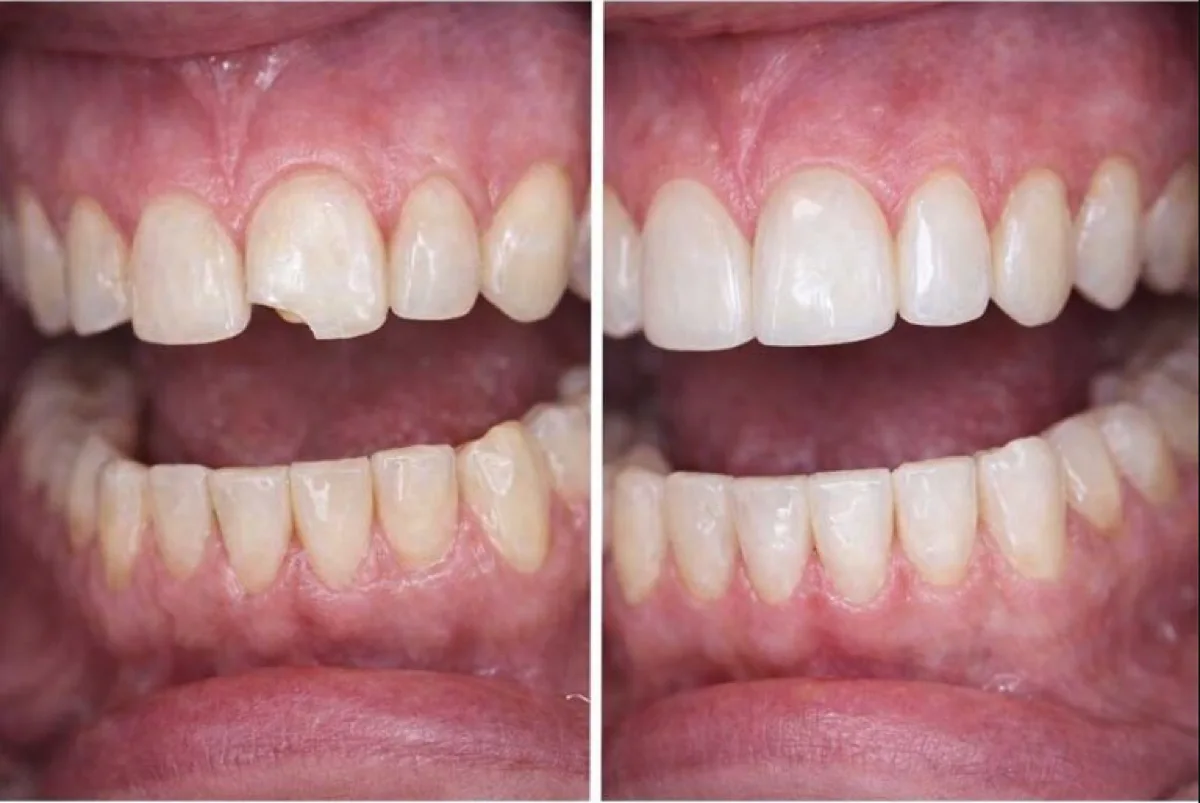
What Can Dental Bonding Fix?
Bonding is remarkably versatile. Dr. Kathiriya typically recommends it for small-to-medium cosmetic fixes such as:
- A chipped or broken front tooth — often repairable the same day you call
- A gap between teeth you'd like closed without braces or veneers
- A tooth that looks too short, too small, or unevenly shaped next to its neighbors
- Deep stains or white spots that don't respond to professional whitening
- Worn or ragged edges on front teeth that make your smile look older
- Exposed root surfaces near the gumline that are sensitive or notch-shaped
- A "trial run" of a new smile shape before committing to veneers
Why Sacramento Trusts Us With Bonding
Artistic Hand-Sculpting
Bonding is freehand artistry — layer, sculpt, shade, polish. Dr. Kathiriya's 16+ years of experience show in repairs you can't spot.
Done in One Visit
Most bonding is completed in a single appointment, often without numbing. Chip your tooth in the morning, smile normally by lunch.
Invisible Shade Matching
We layer multiple resin shades to mimic the depth and translucency of real enamel — not a flat, obvious patch.
Budget-Friendly Honesty
Bonding is one of the most affordable cosmetic fixes, and we'll tell you plainly when it's the smarter choice over a veneer or crown.
The Bonding Process: What to Expect
-
Exam & Shade Selection
We examine the tooth, confirm bonding is the right fix, and select composite shades that match your enamel exactly. You'll get a clear estimate before we begin.
-
Gentle Surface Preparation
The tooth surface is lightly conditioned so the resin bonds securely. No drilling into healthy tooth structure — and usually no numbing needed.
-
Sculpting & Curing
Dr. Kathiriya applies the resin in thin layers, sculpting the shape by hand and hardening each layer with a curing light until the repair is strong and seamless.
-
Polish & Bite Check
The bonded area is shaped, smoothed, and polished to a natural enamel-like shine, and we fine-tune your bite so it feels like your own tooth — because now it is.
How Long Does Dental Bonding Last?
With sensible care, dental bonding typically lasts 5–10 years before it needs a touch-up or replacement. Composite resin is durable but not quite as hard or stain-resistant as porcelain, so how you treat it makes a real difference. The good news: bonding is easy to refresh — repolishing or adding a new layer is a quick visit, not a redo.
Make your bonding last:
- Avoid biting directly into very hard things — ice, pens, fingernails, popcorn kernels — especially with bonded front teeth
- Limit staining drinks like coffee and red wine for the first 48 hours, when fresh resin is most absorbent
- Wear a nightguard if you clench or grind — grinding is the top cause of chipped bonding
- Keep six-month exams and cleanings so we can repolish the resin and keep it bright
Dental Bonding Cost & Insurance in Sacramento
Bonding is one of the most affordable treatments in cosmetic dentistry — the cost depends on how many teeth are treated and how much sculpting each needs. Coverage varies: when bonding repairs a broken or decayed tooth, many PPO plans treat it like a filling and cover a portion; when it's purely cosmetic (like closing a gap), insurance usually doesn't cover it. We'll tell you honestly which side of that line your treatment falls on.
At our Arden-Arcade office we verify your benefits and provide a written estimate before treatment begins, and our front office can walk you through flexible payment options. Want to compare bonding against veneers side by side? We'll price both so you can choose with full information.
Frequently Asked Questions
Does dental bonding hurt?
Almost never. Bonding works on the surface of the tooth, so most visits require no drilling and no numbing at all. If the chip is deep or the tooth is sensitive, we'll numb the area first — but the majority of patients are surprised how easy the visit is.
How is bonding different from a veneer?
Bonding is composite resin sculpted directly onto your tooth in one visit — faster, more affordable, and reversible. A porcelain veneer is a custom-crafted ceramic shell — more durable, more stain-resistant, and better for larger transformations. Many patients start with bonding and upgrade to veneers later; we'll help you weigh both.
Can bonding fix a gap between my front teeth?
Yes — closing a small gap (diastema) is one of the most popular uses of bonding, and it's usually done in a single visit. For larger gaps or multiple spaces, Invisalign® or veneers may give a more proportional result; we'll show you what each would look like.
Can you fix my chipped tooth the same day I call?
Very often, yes. Bonding needs no lab work, so a chipped front tooth can frequently be repaired the day you call — we hold same-day appointments for exactly this. If the chip is painful or the tooth is cracked deeper, call us right away at (916) 929-3737.
Will the bonded area match my other teeth?
Yes — we select and layer composite shades to match your enamel's color and translucency, then polish it to the same shine. One tip: if you're considering whitening, do it before bonding, since resin doesn't whiten. We'll then match the bonding to your brighter shade.
Does bonding damage my natural tooth?
No. Bonding preserves your enamel — the surface is only lightly conditioned so the resin can grip. That makes bonding one of the most conservative treatments in dentistry, and it keeps every future option (veneer, crown, or simply re-bonding) open.
Does bonding stain over time?
Composite resin can pick up stain gradually, especially from coffee, tea, red wine, and smoking. Regular professional cleanings keep it polished, and if the shade dulls after years of service, refreshing the outer layer is a quick, inexpensive visit.
Is bonding strong enough for back teeth?
For chewing surfaces, it depends on the size of the repair. Small repairs do well with composite — that's essentially a white filling. Larger breakdowns on molars usually need the full-coverage strength of a crown. At your exam, we'll show you which is right for your tooth.
More Cosmetic Dentistry Services
Invisalign® & Clear Aligners
Straighten your teeth discreetly with removable clear aligners.
Learn MoreSmall Fix, Big Difference
Book a bonding appointment and fix that chip or gap in one visit.