Emergency Dentistry · Sacramento, CA
Knocked-Out Tooth? Emergency Care in Sacramento, CA
A knocked-out tooth is a true dental emergency — but acting fast can save it. Keep the tooth moist (in milk or saliva), avoid touching the root, and call us immediately.
Teeth re-implanted within the first hour have the best chance of survival. Every minute counts.
A Knocked-Out Tooth Is a Race Against the Clock
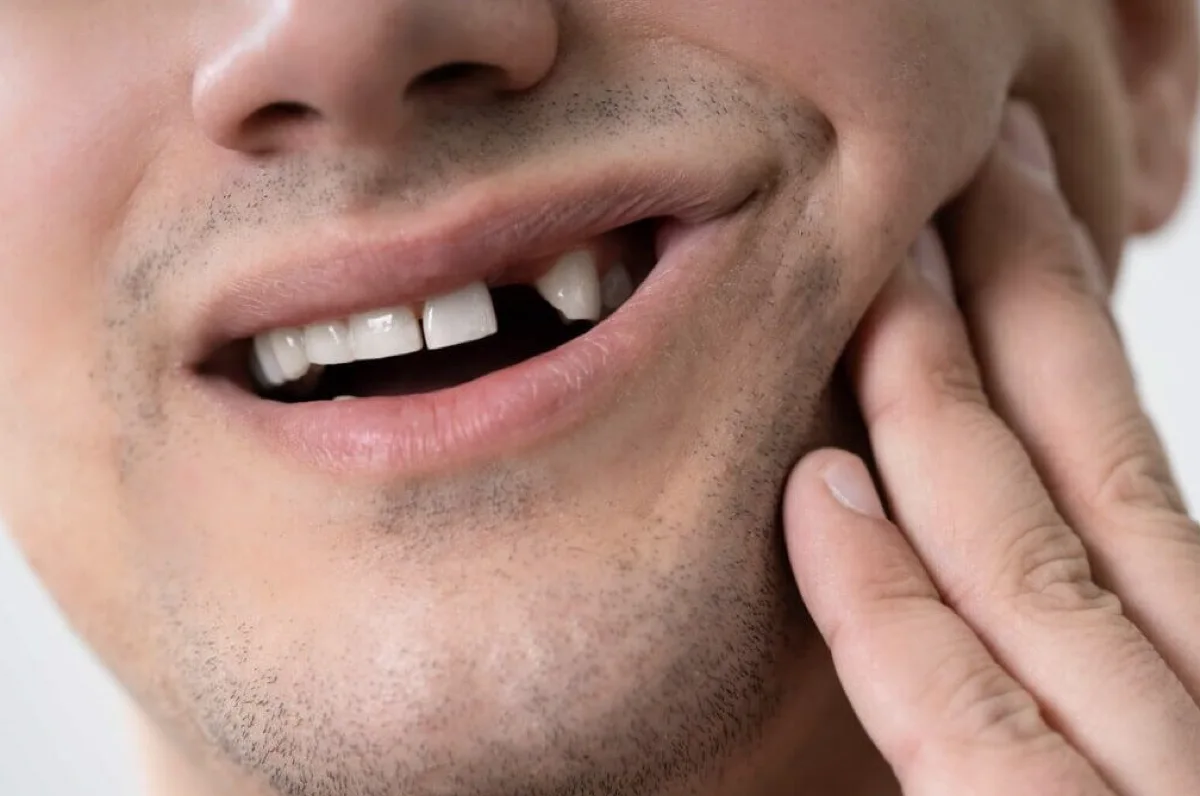
A completely knocked-out tooth — dentists call it an avulsed tooth — is one of the few true minute-by-minute dental emergencies. Here's the hopeful part: a permanent tooth that's handled correctly and re-implanted quickly can often be saved. The best outcomes happen when the tooth is back in place within about 60 minutes, so what you do in the next few minutes matters more than anything we do later.
The rules are simple: pick the tooth up by the crown (the white chewing part), never the root; keep it moist in milk or your own saliva; and call (916) 929-3737 now. We'll talk you through the first-aid steps below while you head to our office, and we see dental trauma on a same-day basis — no waiting room limbo while the clock runs.
Dr. Bhumika Kathiriya, DDS trained at UCLA, including emergency care dentistry training, and has treated dental injuries for over 16 years. Whether the tooth can be re-implanted or ultimately needs replacement, you'll get calm, honest guidance at every step — and a full range of emergency dental care under one roof.
When Is It a Dental Emergency?
Any of the following after a fall, collision, or blow to the face deserves an immediate phone call — not a wait-and-see approach:
- A permanent (adult) tooth knocked completely out of its socket
- A tooth that's loose, pushed deeper into the gum, or visibly out of position
- A tooth broken at or near the gumline, especially with bleeding
- A baby tooth knocked out — don't try to reinsert it, but call us to check for damage underneath
- Bleeding from the mouth that doesn't slow with gentle pressure after several minutes
- Pain, swelling, or a tooth that suddenly feels "wrong" in your bite after an impact — even days later, worsening pain can signal nerve damage that needs urgent attention
- Possible jaw injury or a blow with loss of consciousness — go to the emergency room first, then see us for the teeth
Why Sacramento Trusts Us with Dental Trauma
Guidance the Moment You Call
Call (916) 929-3737 and we'll walk you through exactly what to do with the tooth while you're on your way in.
Seen the Same Day
Dental trauma can't wait, so neither do we — emergency time is held in our schedule every day.
UCLA Emergency Training
Dr. Kathiriya's emergency care dentistry training at UCLA and 16+ years of experience guide every trauma decision.
Care Beyond the Crisis
From re-implantation and splinting to follow-up and replacement options, the whole journey is handled in one office.
What to Do Right Now
-
1. Find the Tooth — Handle It by the Crown
Pick the tooth up by the white chewing surface only. Never touch, scrub, or dry the root — the delicate fibers on it are what allow the tooth to reattach.
-
2. Rinse Gently, If Dirty
If the tooth is dirty, rinse it briefly with milk or saline (plain water only if that's all you have). No soap, no scrubbing, no wrapping it in tissue — a dry root quickly loses its chance.
-
3. Put It Back or Keep It Moist
If you can, gently press the tooth back into its socket facing the right way and bite softly on gauze or a clean cloth to hold it. If you can't, keep it submerged in milk or tucked in your cheek in saliva.
-
4. Call (916) 929-3737 and Come Straight In
Call now — every minute counts, and the best chance of saving the tooth is within about 60 minutes. We'll be ready when you arrive.
After the Tooth Is Re-Implanted
If we're able to re-implant the tooth, it's typically stabilized with a small flexible splint bonded to the neighboring teeth for a couple of weeks while the root reattaches. Most re-implanted adult teeth also need root canal therapy in the following weeks, because the nerve inside rarely survives the injury — the tooth itself still can. We'll monitor healing closely with low-radiation digital X-rays at follow-up visits.
If the tooth can't be saved, you have excellent replacement options — a single tooth implant or a bridge — and we'll help you choose calmly, without pressure.
Help the tooth heal:
- Stick to soft foods and chew on the other side while the splint is in place
- Brush gently around the injured area and rinse with warm salt water as instructed
- Skip contact sports until we clear you — then protect the investment with a custom mouthguard
- Keep every follow-up visit, even if the tooth feels fine — healing problems are silent at first
Emergency Dental Trauma Cost & Insurance in Sacramento
Emergency visits start with our $125 emergency exam & X-rays — a focused exam and the imaging we need to find the problem, with written pricing before any treatment begins.
The cost of treating a knocked-out tooth depends on what the injury requires — re-implantation and splinting, follow-up root canal therapy, or a replacement if the tooth can't be saved. Most PPO dental plans help cover trauma care, and some medical plans contribute when teeth are injured in an accident. We verify benefits and give you a written estimate before treatment, even in an emergency.
Please don't let cost questions delay the phone call — the first hour determines whether the tooth can be saved at all, and saving your natural tooth is almost always the least expensive path. Our Arden-Arcade office has served Sacramento since 2011, with care available in English, Hindi, and Spanish.
Frequently Asked Questions
How long do I have to save a knocked-out tooth?
The best chance of saving the tooth is re-implantation within about 60 minutes — and the sooner, the better. A tooth kept moist in milk or saliva holds its chances longer than a dry one, which is why proper handling matters as much as speed. Call (916) 929-3737 the moment it happens.
Why milk? What if I don't have any?
Milk's temperature and chemistry help keep the root's delicate fibers alive. No milk? Keep the tooth in your own saliva — tucked inside your cheek, or in a small container you spit into. Plain water is a last resort for storage; a dry tissue or napkin is the worst option of all.
Should I push the tooth back into the socket myself?
If it's an adult tooth and you're able to, yes — gently, facing the correct way, then bite softly on gauze or a clean cloth to hold it in place. The socket is the best storage container there is. If it won't seat easily, don't force it; keep it moist and get to us fast.
My child knocked out a baby tooth. Do the same rules apply?
One big difference: never re-implant a baby tooth, because pushing it back can damage the permanent tooth developing underneath. Do still call us right away — we'll check for fragments, injury to neighboring teeth, and damage below the gumline that isn't visible.
The tooth went back in. Is it saved for good?
Re-implantation is the critical first step, but not the last. The tooth is usually splinted for a couple of weeks, typically needs root canal therapy afterward, and is monitored over the following months. Most well-handled re-implanted teeth do well, but follow-up care is what makes it stick.
What if the tooth can't be saved?
You still have excellent options. A dental implant looks, feels, and chews like a natural tooth and protects the jawbone; an implant-supported bridge can replace multiple injured teeth. We'll walk through the choices — with a written estimate — once the emergency is handled.
How do I prevent this from happening again?
Most knocked-out teeth we see come from sports and falls. A custom-fitted mouthguard from our office stays in place far better than a store-bought one and dramatically reduces the risk. If you or your kids play contact sports, it's the single best insurance policy a smile can have — ask about one at your next visit.
More Emergency Dentistry Services
Act Fast — Call Immediately
Call us the moment it happens; we'll talk you through exactly what to do.